Lance Oppenheim, the filmmaker behind Some Kind of Heaven (2020), Spermworld (2024), and the HBO docuseries Ren Faire (2024), released two films within a single month: Primetime (thriller, Sept. 25, 2026) and You Can See Everything (documentary, Oct. 15, 2026). What has long drawn me to his work is a theme central to reality television: what happens when performance becomes inseparable from reality.
Set in 2006, Primetime stars Robert Pattinson as Chris Hansen, the host of Dateline NBC’s To Catch a Predator, a real-life television series that confronted suspected child predators on camera. Hansen’s pursuit of predators becomes difficult to separate from his pursuit of recognition, leaving you to wonder whether public praise drives him to take his work too far.
The film also follows a new “decoy,” played by Skyler Gisondo, who poses as a minor online to help catch suspected predators. As he becomes more involved in To Catch a Predator, he begins adopting Hansen’s vision for the show. His growing admiration raises a more troubling question: how far is he willing to compromise his own judgment to follow Hansen’s lead?
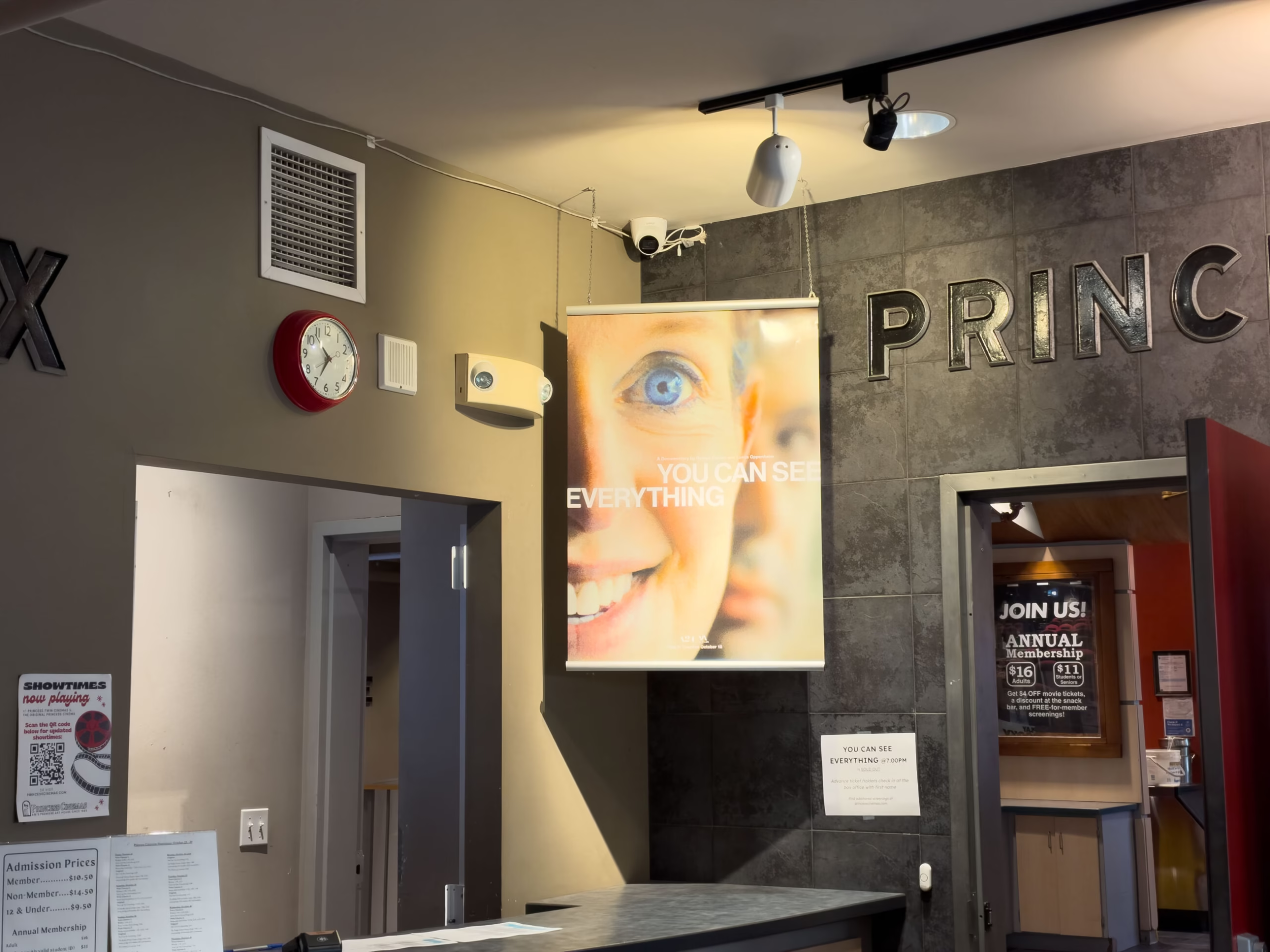
While Primetime questions how aware people are of their own performances, You Can See Everything explores the tension between the image someone creates and whether they truly believe in it. The documentary examines this through its subject, convicted fraudster Elizabeth Holmes, but also through its co-director, Nathan Fielder, a comedian and filmmaker whose work uses absurdist humour to explore the often irrational ways we think and behave.
Co-directors Oppenheim and Fielder turn their cameras on Holmes, the Theranos founder convicted of defrauding investors over her company’s purportedly revolutionary blood-testing technology. The filmmaking duo was invited by Holmes and her husband to chronicle the 34 days before she was to begin her prison sentence in 2023. Holmes and her husband sought to reframe her public image in the wake of HBO’s Holmes series The Dropout (2022) and widespread online ridicule. But once the camera rolls, what is documented speaks for itself: the Elizabeth Holmes story is no longer hers to control.
At first glance, You Can See Everything is looking to unmask the real Elizabeth Holmes, with Fielder acting as a stand-in for the audience by questioning her account of Theranos events. However, Nathan Fielder brings another dimension to the film. His work often relies on a deadpan, socially awkward persona that encourages people to reveal themselves in uncomfortable or unexpected ways. As a big fan of Fielder’s The Rehearsal and his earlier comedy work, find myself wondering
The film’s central uncertainty is whether Holmes genuinely believes her own account of what happened at Theranos or is deliberately trying to convince others to accept it. Over three hours, Fielder pursues an answer, following her story for years after her sentencing.
What fascinates me is the possibility that someone can perform so much for an audience without realizing they are performing at all. Fielder complicates this further. He documents a woman whose life has already become a source of public fascination, but he also shapes the story being told. As he grows invested in Holmes’ life, to the point of living with her family, he is no longer documenting her from the outside but has become part of her world. I am less certain that Holmes recognizes that she is ultimately the subject of a Nathan Fielder story, one that he—not she — gets to tell.
I would encourage anyone with an interest in the complicated relationship between who we are and who we present ourselves to be to check out Oppenheim’s new releases or dive deeper into his back catalogue. These films explore what happens when the image we want others to see begins to shape how we see ourselves. They left me wondering how much of ourselves we reveal, or even come to believe, when there’s an audience watching.
Contributed photo by Santosh Chandrasekar