
Jia Kanwar
-
Introduction to Being an Adult (Almost)
/

When I started university, I thought I had chosen a major. Like most students, I imagined the next few years as a clear path toward a career; classes, internships, graduation, and then some version of “real life.” What I didn’t realize was that alongside whatever degree I picked, I was also quietly signing up for something else: an introduction to adulthood that no one formally explains. University is often described as preparation for the future, but a lot of what you learn has very little to do with lectures or assignments. Instead, it shows up in smaller, less noticeable ways; learning how to manage your time when no one is checking on you, figuring out how to make decisions on your own, and trying to build a life that feels stable even when everything still feels temporary. One of the first places this becomes obvious is when you start thinking about internships and the future. There’s a point where conversations with friends start including words like “experience,” “applications,” and “next steps.” You refresh your email more often than usual and try not to read too much into every silence. At the same time, LinkedIn fills with announcements from people your age starting new roles or celebrating achievements, and it’s hard not to feel like there’s a timeline you’re supposed to be keeping up with. Even when you know everyone is figuring things out at their own pace, the comparison is difficult to ignore. Money becomes another quiet lesson. Budgeting sounds simple in theory, but in practice it often means learning through small mistakes; spending too much one week and promising yourself you’ll be more careful the next. You start to understand the value of planning ahead, even if you don’t always succeed at it. It’s a gradual shift from relying on others to managing things on your own, and it rarely feels as organized as you imagined it would. At the same time, life somehow feels both full and uncertain. Most days are busy with classes, work, meetings, and plans filling up your schedule, yet it’s still possible to feel unsure about where everything is going. There’s a strange tension between constantly doing things and still feeling slightly lost. You can follow all the expected steps and still wonder whether you’re moving forward in the way you hoped. Growing into independence also means noticing changes in your relationships. Some friendships that once felt permanent become occasional messages or catch-ups between busy schedules. Other friendships grow stronger simply because you’re sharing the same stage of life. There’s rarely a dramatic ending, just a slow shift of who is present in your everyday routine. It’s one of the quieter parts of growing up, and one that doesn’t get talked about as much as grades or career plans. Somewhere within all of this, missing home takes on a new meaning. It’s not always a dramatic feeling. Sometimes it’s just noticing how easy certain things used to be; familiar routines, familiar food, or having someone else take care of small decisions. At the same time,…
-
The Ultimate Winter Survival Guide for Students
/

The first real winter I experienced in Canada felt less like a season and more like a character assessment – one I definitely did not sign up for. Nobody warns you that the cold in Waterloo doesn’t just “hit different”; it hits through your jacket, your jeans, your ambitions, and sometimes your will to live. But after a few years of slipping on black ice, missing buses because Google Maps lied, and slowly learning the exact art of layering without looking like a walking laundry basket, I have finally gathered enough wisdom to share. Consider this a winter guide made by someone who’s actually draggedthemselves across an icy campus at 8 a.m., not the Pinterest version of winter. Mastering winter starts with accepting that warmth will always beat aesthetics. My first-year self-thought she could survive with a cute jacket from Zara. She could not. Eventually, I learned that real winter requires layers; the kind you never see in TikTok’s. A good hoodie is the emotional support system;and a bulky puffer jacket, even if it makes you look like you’re smuggling five sweaters underneath, is the only thing that stands between you and becomes a frozen campus statue. Walking to class becomes a daily battle of should I, or I shouldn’t I? Some days, the cold is manageable; other days, the wind feels like it’s personally offended by your existence. There are mornings when snowflakes gently drift around you like a movie scene, and others where ice pellets stab you in the face at 40 km/h. My personal rule is simple: if the walk feels survivable, I do it. If the weather looks like the universe is telling me to stay inside, I take thebus and accept my fate as a sardine squeezed between 50 other students silently regretting their life choices. Academically, winter just messes with your flow. Once it starts getting dark at 4 p.m., your brain automatically decides the day is finished even when you still have a full night of work ahead. I realized pretty quickly that if I wanted to stay even mildly productive, I had to reshape myroutine around the season instead of fighting it. I used to be a morning gym person, but winter mornings feel like a personal attack; the cold, the darkness, the complete lack of willpower, so I switched to going in the evenings. It sounds dramatic, but it genuinely changed everything and by the time I’m back home, I have justenough energy to get things done instead of slipping straight into hibernation mode. And honestly, even after being here for a few years, winter is still weird. Some days it feels peaceful, other days it feels like a personal attack, and most days it’s just… there. But you get used to it in your own way. You build routines, you learn shortcuts, you figure out how to dress without freezing, and you accept that you’ll probably slip on ice at least once a semester. Winter doesn’t turn you into a stronger…
-
The Myth of Productivity – Why It’s Okay to Take a Break
/
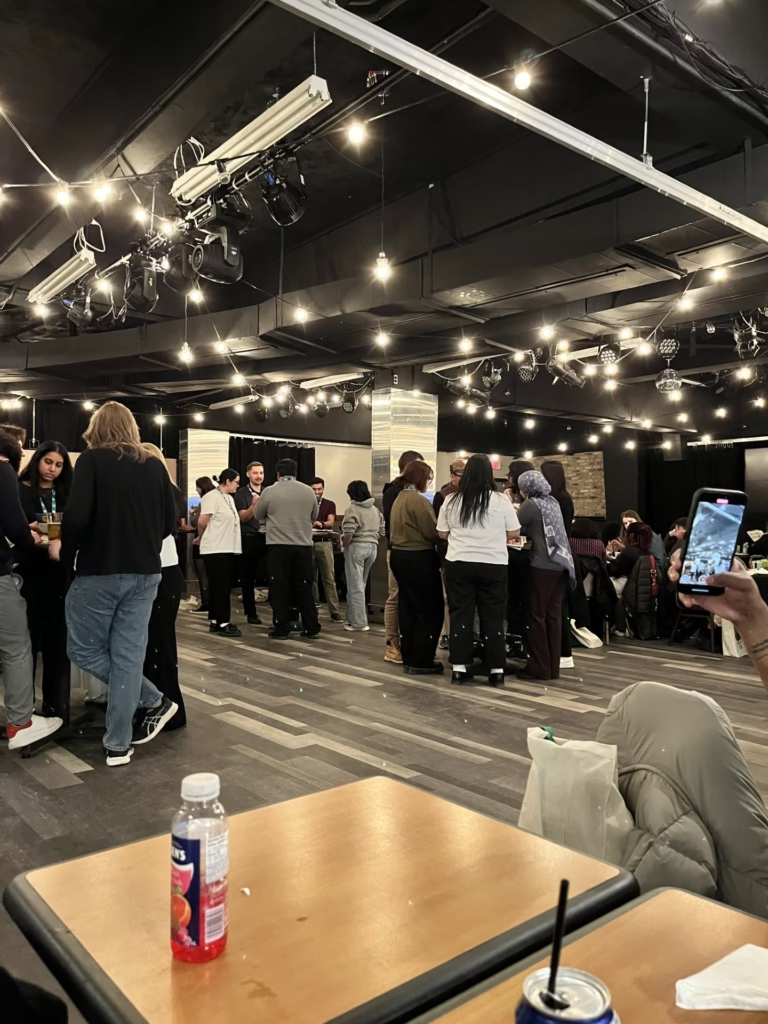
The first few months of university are one of the stressful times for students. Whether it’s getting back into routine, joining clubs, meeting new people, or juggling part-time work with a full class schedule, life can start to feel overwhelming. Amid balancing everything, we often forget to dedicate time to ourselves. We, as students, or…
-
Exploring the Art of Indian Classical Dance
/

When people hear the term “Indian classical dance,” they imagine the vibrant spectacle of Bollywood. Yet, beneath the cinematic flair is a centuries-old tradition. Indian classical dance forms are more than just movements; they are a living art that narrates stories, conveys deep emotions, and preserves a rich cultural heritage. As one of the world’s…
-
The Art of Romanticizing Nothing (and Loving It)
/
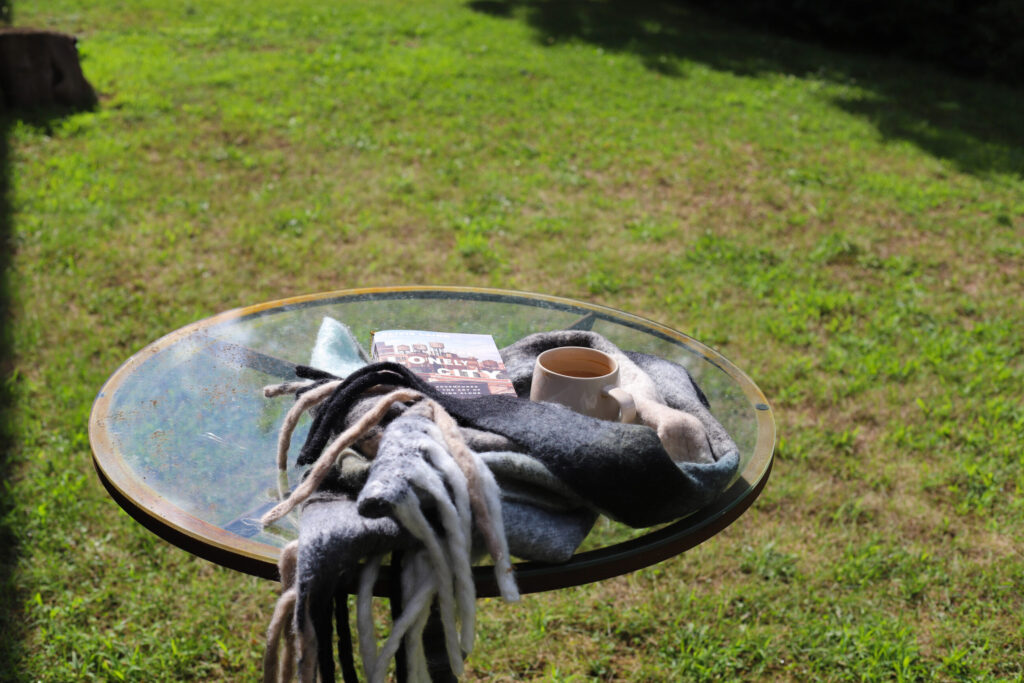
This summer, I mastered the art of doing nothing, and somehow, it became everything I needed. Between a busy internship and the pressure of figuring out what comes after third year, I was drained before the day even started. The version of summer I had in my head included trips, big plans, nights out and…
-
What it is like as an international student at Laurier
/

Moving to Canada was supposed to be my main-character moment — new city, new adventures and maybe even some aesthetic café-hopping. Instead, I found myself navigating a life where winter feels like a personal attack. India’s heat never prepared me for the kind of cold that freezes your brain. Before moving, I thought I was…

Featured stories





The Tie That Binds WLU Since 1926
Serving the Waterloo campus, The Cord seeks to provide students with relevant, up to date stories. We’re always interested in having more volunteer writers, photographers and graphic designers.