After weeks of uncertainty, negotiations between Laurier and contract faculty restore stability to a campus bracing for disruption.
On Feb. 23, Wilfrid Laurier University and the Wilfrid Laurier University Faculty Association (WLUFA) reached a tentative agreement after a period of significant uncertainty for the Laurier community, bracing for a total disruption of the winter term.
The announcement brought relief for thousands of students who had spent the preceding weeks monitoring countdown clocks and strike FAQs.
“Wilfrid Laurier University and Wilfrid Laurier University’s Faculty Association (WLUFA) reached a tentative deal for a renewal of the collective agreement for Contract Teaching Faculty (CTF) on February 23, 2026,” said Aonghus Kealy, the Communications and Media Relations Officer at Wilfrid Laurier University, speaking on behalf of Wilfrid Laurier University.
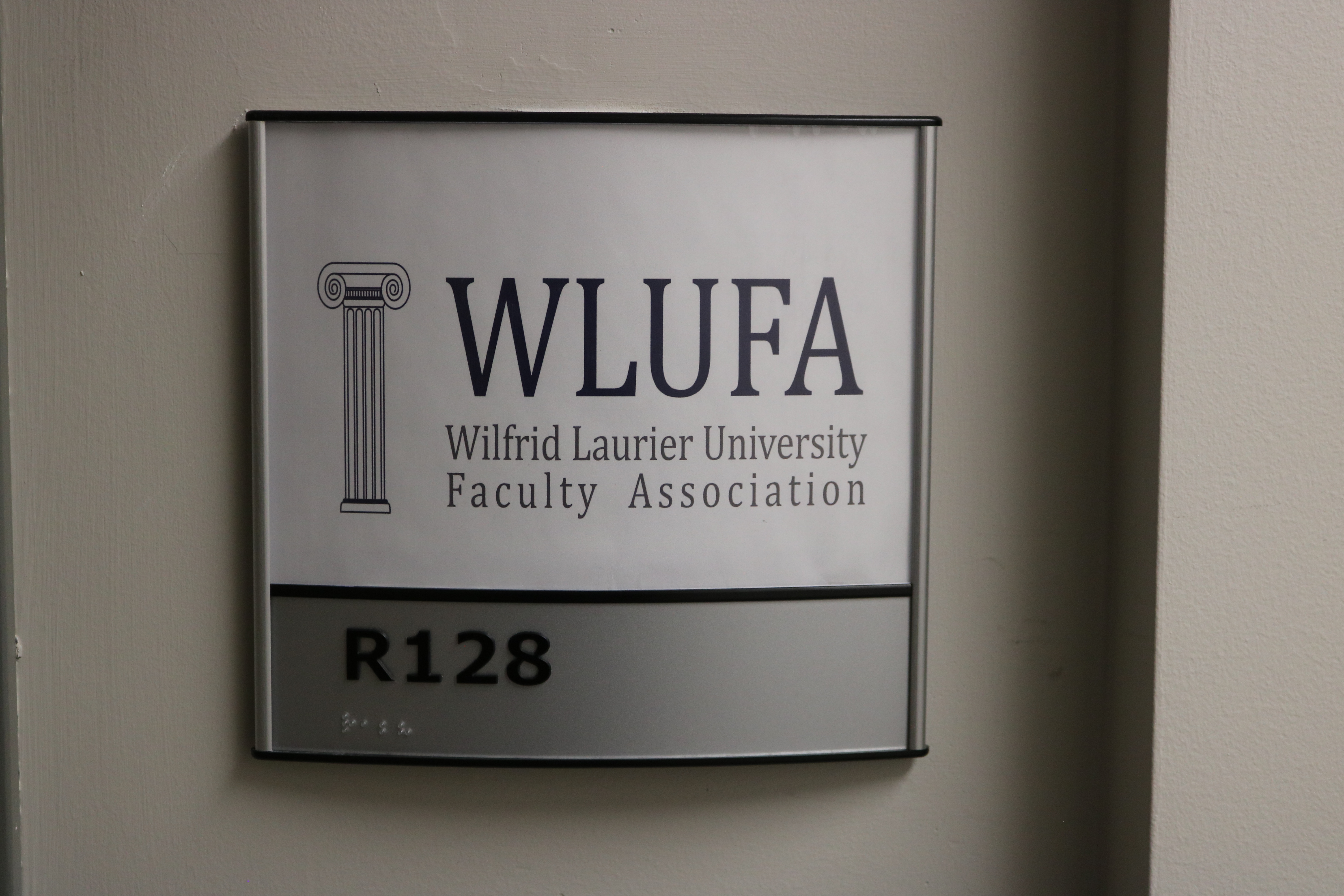
Had a settlement not been reached by the deadline, the Contract Teaching Faculty (CTF)—instructors hired on a course-by-course basis—were prepared to enter a legal strike position.
Ryan Ladner, member engagement and communications officer at WLUFA, said the association remained focused on a fair deal until the final moments, emphasizing that job action is always a last resort.
Contract Teaching Faculty (CTF) are instructors hired on a course-by-course contract basis, meaning their employment ends at the end of the term. This precarious cycle means that many of the professors’ students interact with daily are essentially reapplying for their jobs every four months, often not knowing if they will have a pay check for the following semester until weeks before classes begin. These faculty members are often viewed as the hidden workforce of academia; their impact is vastly disproportionate to their cost within the university’s massive budget.
Although they account for less than 6 per cent of Laurier’s operating budget, they were responsible for more than 40 per cent of undergraduate instruction in the 2025/2026 academic year.
The 35 mediation-assisted sessions focused on job security, working conditions, and compensation, which are issues that WLUFA argues are synonymous with the quality of student education. With both parties now recommending ratification, the threat of a total withdrawal of academic services, both in-person and online, was averted.
As the deadline approached, the campus was filled with anxiety regarding how a strike would actually function. The university administration previously stated that campus services would remain open, suggesting a level of normalcy that WLUFA contested. In the days leading up to the deal, Ladner warned that the impact would be significant.
“Contract faculty teach a large share of Laurier courses, and withdrawing that labour will affect lectures, tutorials, marking, feedback, and student support. Even if campus services remain open, teaching and learning will be heavily disrupted,” said Ladner.
The negotiation caused a ripple across every department, as the removal of 40 per cent of the teaching workforce would leave students without academic guidance mid-semester. This led to a growing concern regarding a “two-tier” education system. Because full-time faculty were not in a legal strike position, their classes would continue as normal, creating a fragmented campus where some students attended lectures, while others were locked out of their classes.
“Students are right to worry about the imbalance if courses taught by full-time continue, while courses taught by contract faculty stop during a strike,” said Ladner.
He clarified that this disruption was an intentional part of the bargaining pressure. He stated that the fastest way to restore student learning is through a fair settlement and reminded the Laurier community that full-time faculty cannot legally perform contract faculty lectures, tutorials, labs, or marking.
The turning point during the 35 negotiation sessions was the appointment of a provincial mediator and a final meeting on Feb. 22. While the Ontario Labour Relations Board’s deadlines increased tensions, Ladner described the process as normal in bargaining.
“Mediation is a standard part of bargaining and often helps parties reach a deal, even close to a deadline,” said Ladner.
He expressed a commitment to negotiating in good faith despite the looming threat of the Monday morning deadline. The goal was to address the core pillars of the dispute: job security for faculty who face the stress of temporary status, and compensation that keeps pace with the university’s competitors in a period of high inflation. This lack of security means faculty cannot provide the same long-term mentorship or research opportunities for students, as they are not guaranteed to be on campus in the future.
“Both sides will have an obligation to negotiate in good faith,” Ladner said. “And the goal is a fair agreement.”
The student body also played a role in the negotiations. Throughout the semester, WLUFA urged students to recognize their power in the process, telling them that students have real influence and asked them to support the working conditions of the faculty teaching their classes. By signing a letter of support and staying informed through reliable updates, students demonstrated that the university’s reputation was tied to how it treated its most vulnerable instructors.
Student advocacy creates a distinct “reputational risk” for the university board. When students side with faculty, it shifts the public narrative from financial disagreement to a moral and educational one.
This solidarity helped bridge the gap between the administrative budget and the human reality of the classroom, making it clear that a strike would not just be a labour issue, but a reputational crisis for Laurier.
Now that a tentative deal has been reached, the need for a strike is replaced with the technical process of ratification. Both parties officially agreed to recommend ratification of the agreement, signalling that the compromise found was sufficient to satisfy the needs of both the administration and the union. For now, there is no potential of an academic shutdown, and instead, everyone in the Laurier community can continue the winter term. Students can return to their lectures, labs, and tutorials with the knowledge that their instructors have secured a path forward.
The resolution serves as a reminder that while the administration manages the institution’s finances, it is the faculty, especially those working on a contract basis, that provides the essential energy and instruction that powers the Laurier education.
The 2025/2026 academic year will move forward without interruption, but the conversation regarding the value of contract work and the necessity of fair labour practices is likely to continue long after the signatures on the new collective agreement are dry.
Contributed Photo/Sangjun Han