The Times Higher Education (THE) sustainability impact ratings are global rankings which measure and rank universities around the world in sustainability advances which align with the United Nation’s Sustainable Development Goals (SDGs). THE reporters Hannah Peacock and Phil Baty stated, The 2026 rankings evaluate 1,646 universities from 116 countries and territories across 17 individual SDG tables and one overall ranking.” Universities are evaluated according to four main pillars: research, stewardship, outreach, and teaching.
The Times Higher Education evaluated the universities on SDG 17 (“Partnerships for the goals”), which accounts for 22 per cent of the total score, then adds its three best results from the remaining 16 SDGs, which each account for 26 per cent. Therefore, the universities are scored based on the set of SDGs within their focus. The overall ranking score is made from an average of the past two years’ scores.
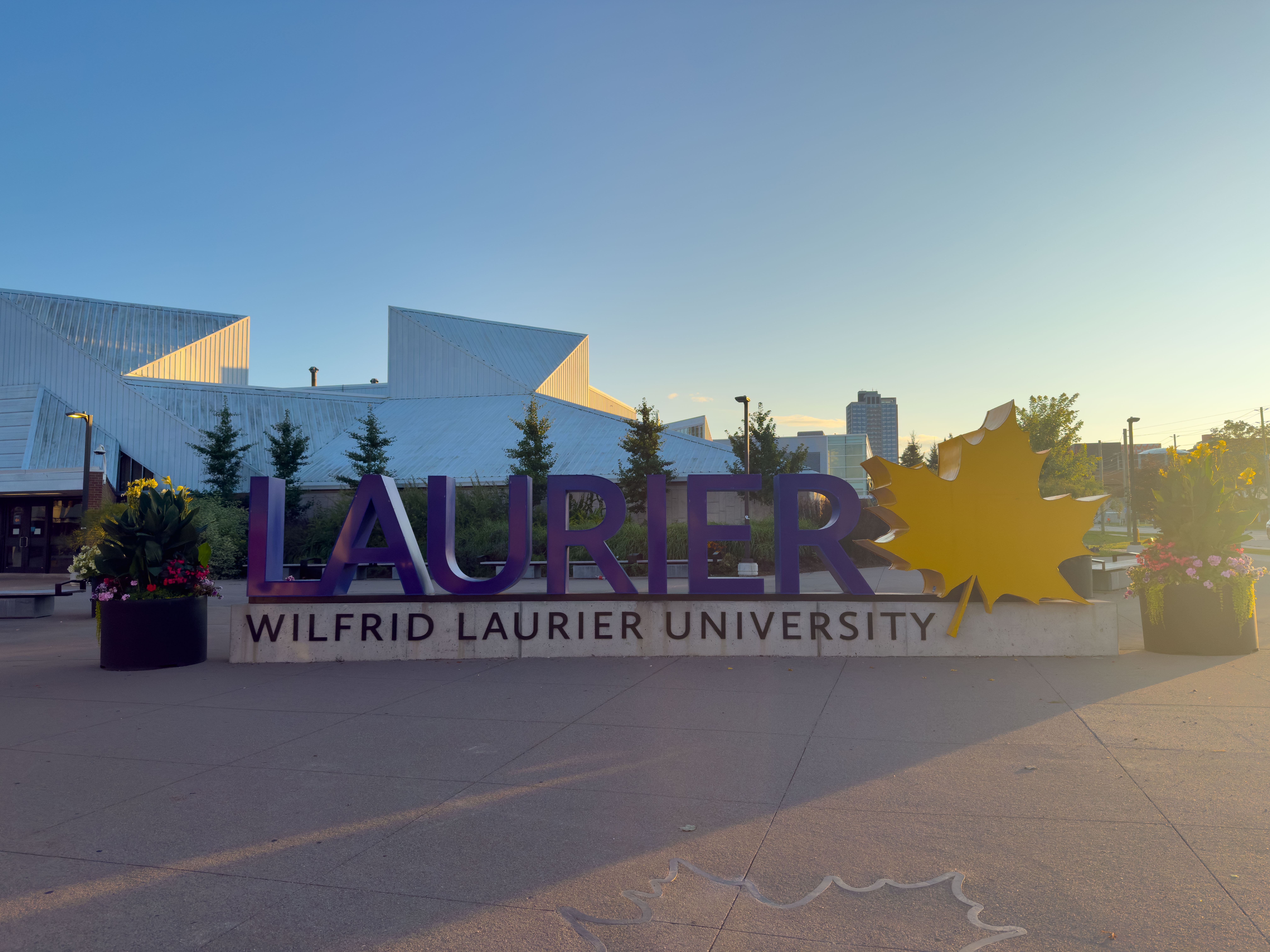
WLU ranked among the top 100 universities for five SDGs, including SDG 5 (“Gender equality”) and SDG 11 (“Sustainable cities and communities”). Out of the five, Laurier ranked the best in SDG 6 (“Clean water and sanitation”), SDG 13 (“Climate action”), and SDG 16 (“Peace, justice and strong institutions”).
WLU ranked in the top 5 per cent for SDG 6, “Clean water and sanitation.” Laurier’s Waterloo campus is home to the Laurier Institute for Water Science, which is a collaborative effort from research faculties from both faculties of arts and science, as well as the Lazaridis School of Business and Economics. It puts focus on the interconnectedness of hydrological sciences, ecological and biogeochemical sciences, and public policy and management. To further advance in SDG 6, Laurier’s Institute for Water Science has supported Halton’s Children’s Water Festival, an event hosted by Conservation Halton, with the goal of engaging students in grades two through five in water-related educational activities. This is just some of the few ways WLU has continued its efforts to promote growth in SDG 6.
Just as impressive, WLU also ranked in the top 7 per cent globally for SDG 13, “Climate action.” While WLU had many notable initiatives to advance SDG 13, one of many included the Laurier Centre for Sustainable Food Systems (LCSFS). The LCSFS creates opportunities for meaningful connection among people in different institutions and disciplines with a common goal of supporting community-driven research, innovative thinking and development of WLU’s SDG advancements.
Finally, we must recognize WLU’s global top 7 per cent ranking in SDG 16, “Peace, justice and strong institutions.” This is an incredible ranking and shows how seriously SDG 16 was taken, and WLU’s desire to continue growth is seen in reflection from 2024 when WLU ranked in the top 20 per cent instead. This improvement was due to many continued projects and initiatives, including WLU’s partnership with the Balsillie School of International Affairs and their Migration + Technology Hub. This facility continues to research contemporary migration technologies and migrant rights, with a goal of “promoting both sustainability and protecting human and labour rights of migrants,”WLU stated on their official site. Additionally, the student funded scholar initiative known as the International Students Overcoming War (ISOW), has helped 50 students gain access to education in Canada.
The university is positioned to continue its dedicated efforts towards the UN’s Sustainability Development Goals with strong evidence from this year’s recorded successes.
Contributed Photo by Santosh Chandrasekar