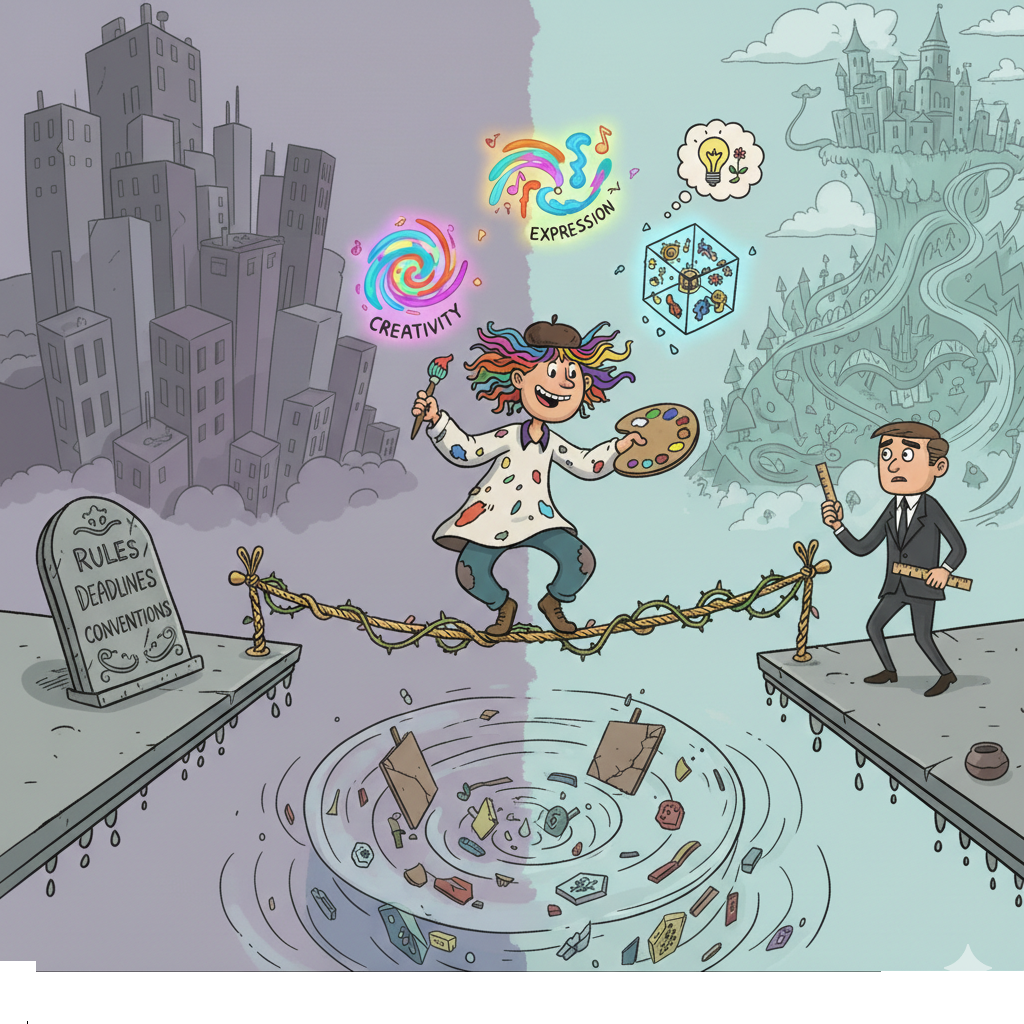
In modern society, an artist’s ability to monetize their work comes with not only expanded rights, but critical responsibilities. Complying with music, copyright and administrative laws is crucial for successful commercialization. Yet legal compliance alone may not be cut. Should art also be subject to ethical standards prior to said monetization?
The ambitious music executive would say no where the parents choosing family movie night may disagree. Precisely, freedom of expression and acceptable ethical conduct remains profusely debated.
Private regulatory institutions such as the Motion Picture Association of America (MPAA) and Recording Industry Association of America (RIAA) make efforts in film and music, for example, to continue to monitor and censor media albeit, with rife backlash. This is hardly an unsurprising outcome for a regulatoryboard constantly dancing the fine line between expressive and excessive for all parties concerned.
However, more recently there appears to be a potentially decreasing trend regarding what acceptable content is defined as. For instance, under the United States – Motion Picture Association of America’s (MPAA) informal PG-13 guidelines, films are generally permitted by one non-sexual “F-word”. Beyond one utterance would typically trigger an R-rating for that film. Although this guideline has not been formally codified, its recent application appears increasingly flexible, with PG-13 films such as The Hip Hop Project (2006) and Gunner Palace (2004) using the “F-word” 17 times and 42 times, respectively.
At its core, such leniencies for language once deemed inappropriate for those audiences may signify a cultural shift towards a more liberal framework of content restriction. Counterarguments regarding the language’s expressive role as a symbol of culture and authenticity may be argued in favour of this exception. Yet an alternative explanation may simply be this flexibility reflects a more liberal acceptance of previously taboo language.
Whether this relaxed structural approach to behavioural standards ultimately helps the demographic it purports to protect remains inconclusive — however, the broad point remains true. The dilution of cultural standards by boards historically meant to protect vulnerable groups of society questions the growing purpose of such leniency and consequently, the role of these organizations in fulfilling previously stated intentions.
As private regulatory bodies continue to mold the ethical guidelines of monetized expression, the tussle between artistic freedom and social responsibility becomes increasingly evident. If content standards evolve primarily in response to cultural normalization or a more liberal ethos on cultural advancement rather than deliberate ethical evaluations, the role of institutions such as the MPAA and the RIAA may shift from protecting public interests to merely mimicking mainstream sensibilities.
Ultimately, the question is not whether artists should have self-expression, but whether the monetization of that expression be bound by clearly articulated ethical rules in a more permissive media environment.
Contributed Graphic/Ojus Rawal