As the winter 2026 semester began, many Laurier students received their syllabi and saw their professors’ stances on AI use in the classroom. Some say AI is acceptable, but only if used to generate ideas and nothing more. Others are fully against its use. Regardless of the policy, however, students say AI is still being used—often in ways that violate course guidelines.
While these students may think that being caught will only affect them, many say the consequences extend further. Students have noted the amount of effort required to ensure they are not falsely accused of AI use by their professors.
Gabriella Graham, a second-year archaeology major, said that while she enjoys using punctuation such as semicolons, she now wonders how much longer she will feel comfortable doing so. In recent months, there has been increased discussion around punctuation commonly associated with AI-generated writing. Some believe the use of em dashes, Oxford commas or semicolons can signal that work was created by AI. However, many students use these forms of punctuation simply because they prefer them.
This has created concern among students who fear being flagged for AI use despite submitting original work. Jashraj Grewal, a fourth-year English major, said changes in writing style can also raise suspicion. He said he is “much more hesitant to try and experiment while writing, fearing maybe it won’t be successful and then thought to be AI.”
Students say they are doing mental gymnastics to avoid accusations of academic misconduct, and this hesitation to experiment may lead some to rely on simpler grammar and punctuation. This is not to say professors should not be finding ways to detect AI use, but when students feel they must take extra precautions to avoid suspicion, a problem arises.
Some solutions have begun to emerge. Graham and second-year English student Minaxi Sharma said several of their professors have adjusted assignments to make misconduct more difficult. They noted an increase in group projects involving in-class meetings and recorded minutes.
These changes may be a positive step toward limiting AI use, as students are required to complete work in real time. However, they also require professors to allocate class time for meetings, and students have still attempted to use AI in these formats. Even so, when students are required tohold one another accountable, there appears to be less opportunity for AI use.
Another shift has been an increase in testing rather than written assignments, particularly in the humanities. Some professors have opted for in-class tests to reduce misconduct. This may benefit humanities students by offering greater variety in evaluation methods. Instead of multiple essay-heavy courses, students may now have a balance of essay-based and test-based classes.
This shift may help reduce workload stress and provide a break from continuous research and writing, allowing students to focus on skills such as memorization. While AI use continues to pose challenges for both students and faculty, many say it is reassuring to see steps being taken to reduce opportunities for misuse in coursework.
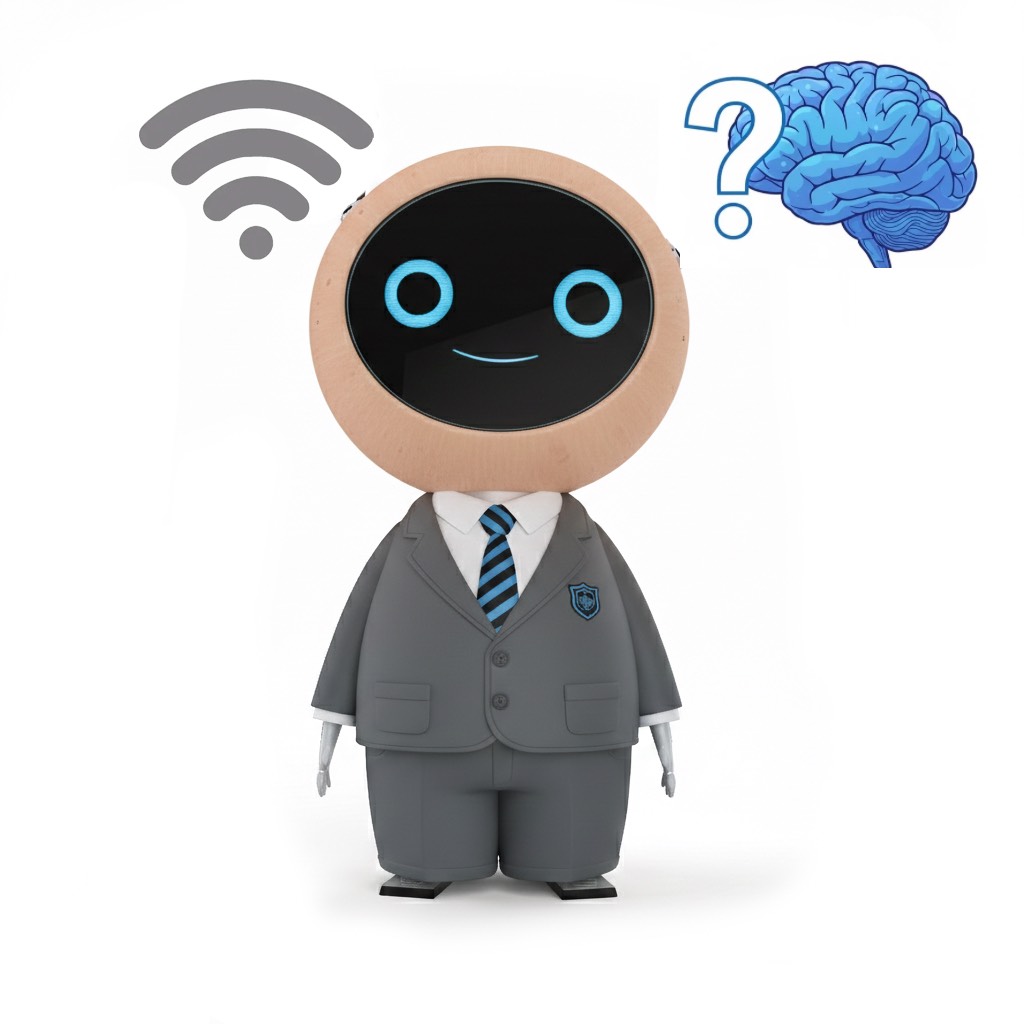
Contributed Graphic/Rytham Sahni