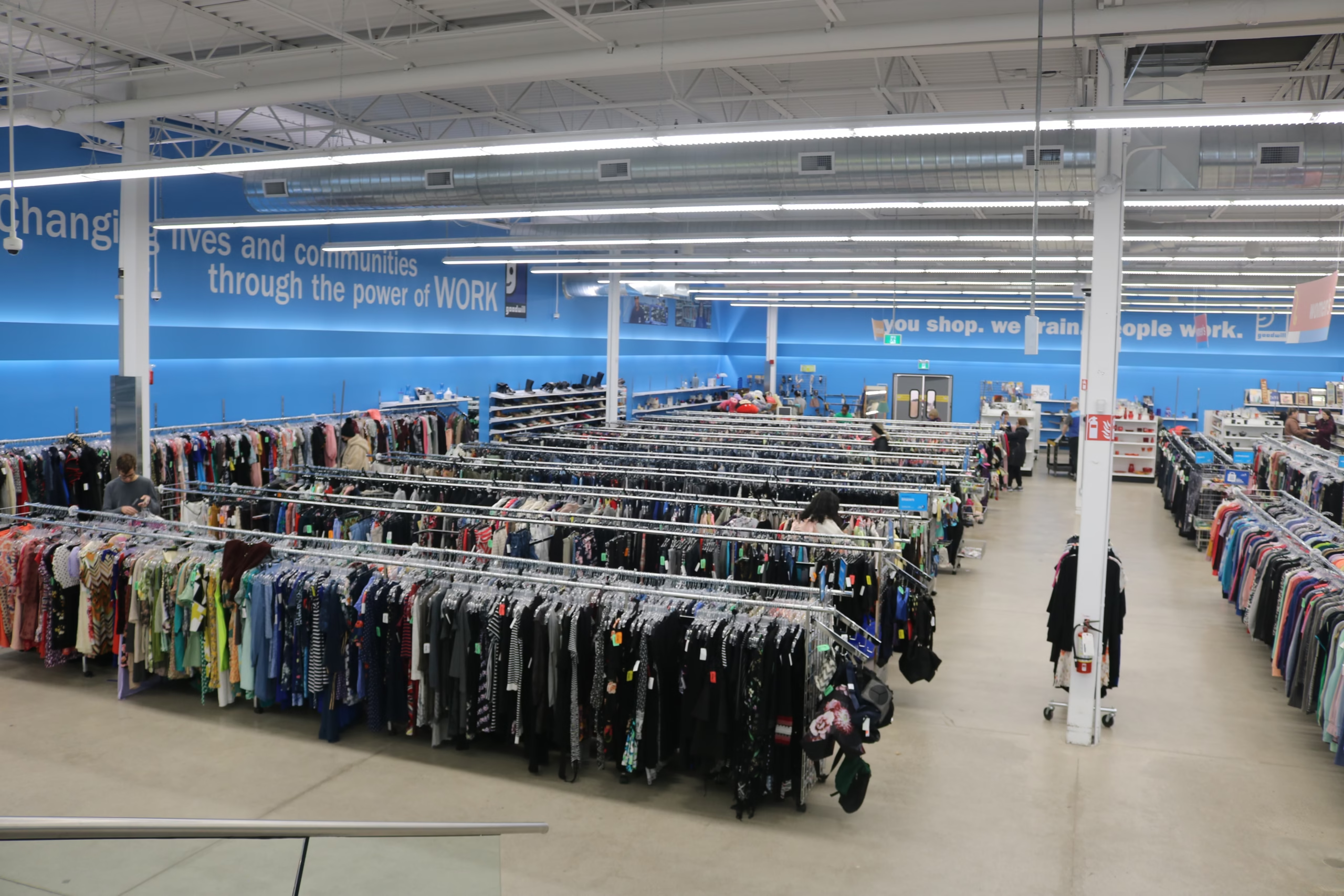
Thrifting has never been more popular, but the concept of thrifting spans back hundreds of years. What began as a way for low-income communities has evolved into sustainable and affordable lifestyle.
The beginning of the trade can be seen in the 13th century, appearing as piles of clothes in markets or early bartering systems. The concept of modern thrifting came in the early 19th century with the formation of major thrifting outlets such as Goodwill and Salvation Army, which made second-hand shopping accessible to the public
Thrifting goes hand-in-hand with sustainability. Each year, 500 million kilograms of clothing are sent to the landfill by Canadians, with each Canadian throwing away approximately 37 kilograms of textiles per year.
So why is thrifting important? Well, not only does it minimize waste, but it also lessens the impact on chemical pollution caused by the manufacturing of clothes. It takes a lot of manufacturing and processing to be able to create new things. When it comes to clothing, textiles are grown using pesticides, then treated with dye and other chemicals that can impact the environment in dangerous ways.
Fast fashion is more than just wasting product, it creates rapid, long-lasting pollution. Thrifting is both sustainable and green, promoting the benefits of upcycled fashion.
The Kitchener-Waterloo area offers plenty of options for thrift enthusiasts. Going down King Street North, it is hard to miss the Goodwill building, once used as a library, this 25,000 square foot building is filled to the brim with donated goods made affordable for students. Not only this, down the road, Luster & Oak offers a variety of vintage textiles ready for purchase.
“The thrift community in the Waterloo region has grown so much over the years. We’ve been a vintage consignment store since 2006, so we have been lucky to watch that growth firsthand,” said Ricky Nelson, owner of the Luster & Oak store, “thrifting offers such a wide variety of styles—it’s like a treasure hunt where you can find pieces that really reflect your individuality.”
While thrifting is mostly luck, it is also a skill. More experienced thrifters might have an easier time sifting through racks or digging into bins.
Thrifting comes with many tips and tricks for better finds, the most important being that you look through everything. Take your time in skimming through the selection, you wouldn’t want to miss a good find.
Making use of the change rooms is also a terrific way to ensure a haul, things might fit different on the rack versus the body. A sweater that seems too large might transform to a cool, slouchy fit for layering. A dress that seems perfect could pinch at the waist.
It is also important to consider alterations when thrifting, being eco-friendly is fashionable and altering your outfits is the perfect way to upcycle a wardrobe into the next level. While sewing isn’t always an option, bobby pins and fabric glue can go a long way when styling clothes and thrifting is the perfect change to experiment with your creativity.
When asked about involving more consumers into the thrifting eco-system, Nelson shares an implemented solution, “Our store offers 50/50 consignment, giving people the chance to sell with us and make money from their old clothes while reducing waste.”
It is also important to recognize the quality of clothing, something that looks good in store can become clutter on your shelf. Shopping at a thrift store like Goodwill is a great way to find some pre-loved pieces that still have a lot of life in them.
Thrifting is made fun by discovering, so the most important thing is to love the window shopping just as much as the buying.
Contributed Photo/Sangjun Han