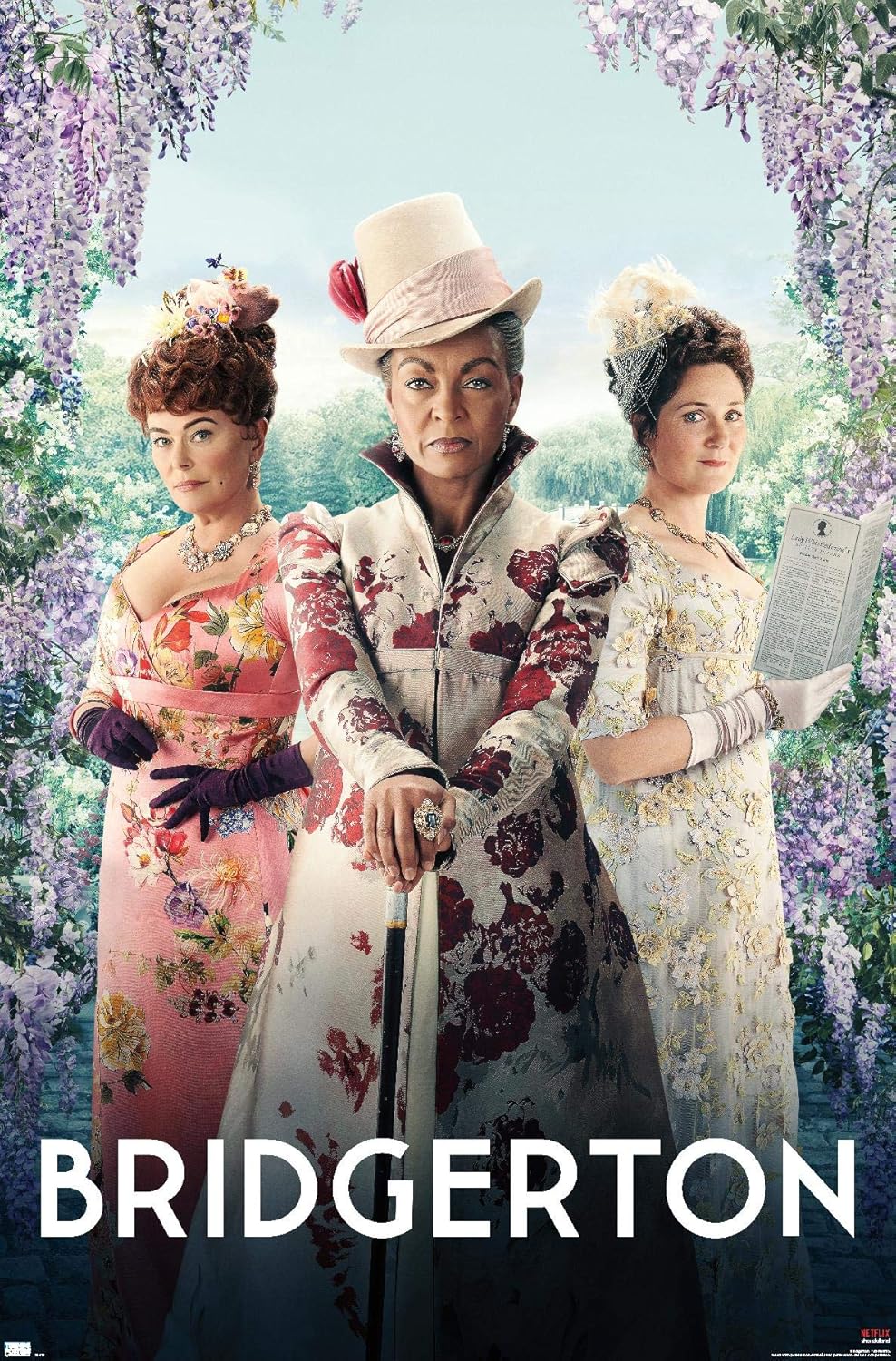
Spoilers Ahead! Bridgerton is a show that attempts to be feminist, but often falls short, favouring half-hearted speeches about feminism instead of solidarity between all women for collective liberation.
One of the best examples of this is the character of Penelope Bridgerton. Penelope is the author of the Lady Whistledown gossip columns, where she comments on the lives of those around her and exposes their scandals. As a result, she ends up ruining people’s lives through her influence, especially women’s lives, as the lives of women are constantly monitored by the British elite during this era.
A key example occurs in Season one, where Penelope reveals that Marina is pregnant because she is in love with Colin, and believes she is protecting him from being trapped in a marriage with Marina. This leads to Marina ending up in a loveless, albeit stable, marriage. Penelope, however, does not seem to care about how she affects the lives of other women.
Penelope has had many moments where she has had to confront women she has hurt, but she only enacts lasting change by quitting her role as Whistledown in Season 4. Even then, it doesn’t appear that she stops because of how these papers affect other people. She stops because, now that she has revealed her identity, she must deal with the repercussions of her actions, such as when the “mistress” she reveals in Season 4, named Virginia, comes to her home to confront her.
Despite this, the show holds her up as a feminist.
Penelope is one of the latest in a long line of “girlbosses” who manage to succeed in a world of men by stepping on other women to get to the top. In an argument with Eloise Bridgerton at the end of Season two, Penelope criticizes Eloise for being all talk about independence while taking no real steps toward it, unlike Penelope.
However, Penelope is the very reason why Eloise cannot take those steps toward independence anymore. In Season two, Eloise attends multiple feminist rallies but is forced to stop because, to prevent the Queen from suspecting her as Lady Whistledown, Penelope writes about her activities in her column. As a result, Eloise can no longer participate in rallies because her family’s reputation is at stake.
Eloise acts as a foil to Penelope, as she advocates for collective liberation and actively criticizes what is expected of women instead of only trying to help herself. Yes, Eloise can be a bit “holier-than-thou” about women’s liberation, but that does not make her critiques and fears any less valid.
She fears pregnancy after hearing that her mother nearly died during childbirth, and she does not want to be married because she wants to be her own person. She actively rejects these social conventions to attain the independence she seeks, despite pressure from everyone in her life, including Penelope.
This places her, the feminist, and Penelope, the “girlboss,” at odds. Eloise actively goes against what society expects, much to the chagrin of her mother and family, while Penelope, who is married with a son, follows society’s rules until it suits her not to.
Penelope is also a key instrument in upholding the systems of social oppression that Eloise so desperately wants to escape, as she is the one reporting on the actions of everyone around her. While this gives Penelope personal power, it takes freedom away from the women around her.
The show treats them differently as well. It rewards Penelope for her actions, as she attains the respect of the Queen and those around her through her work. Eloise, on the other hand, is treated as a problem by those around her, and the show does everything it can to soften her ideas into ones that can accommodate marriage and children for her to become the main heroine of the upcoming season.
Penelope highlights one of the main shortcomings of Bridgerton: the show values speeches about feminism rather than the actual tenets of feminism, including collective liberation, and instead leans into more individualistic, choice-based feminist ideas.
Contributed Photo/ Bridgerton Poster